fredag den 6. marts 2015

The taste of memories

Some months ago I was invited to the Danish release of Ne Oublie – the old heirloom Port from Symington Family Estates and Graham’s. My article about the Port is now published in the Danish magazine Vinbladet. Here I will just share some thoughts and off course my tasting notes.
Two things came to my mind during the presentation, which took place in Tivoli in Copenhagen.  First of all it was matter of storytelling more than just a tasting of a very good old Port from 1882. Secondly especially the short film, that has been produced to promote Ne Oublie, gave me an impression of what the Portuguese call saudade. The word can’t be translated with just one word, but it is connected to emotions like sadness, longing, nostalgia and melancholy – emotions that you will find in Fado music as well. In the film the Symington’s are talking quietly about the Port, its history and their family through generations, and the pictures and sound includes beautiful details like dripping water, ringing bells and chirping birds, The sun above the vineyards, the floating river and old gates. It is a tale about a time and a place long away from the modern world, a tale of memories and heritage.           
Off course the release of the Port itself is neither sad nor nostalgic. The Symington’s decided to share one barrel out of three remaining with Port lovers who are invited like me or can effort to buy a bottle. But when you taste and drink the Port, you are not just drinking a special and very good wood-aged Port. Due to the whole storytelling you feel that you are sharing the family’s history and sipping down a tiny bit of their heritage.   


The story of Ne Oublie is, that Andrew James Symington - the first from the family to settle in Portugal – in 1924 decided to buy four barrels of Port from 1882 – the year he arrived and started to work for Graham’s. The barrels has been stored in Gaia ever since, but one has been used to tip the other three up and off course for tasting now and then. The present generation decided to bottle one barrel and release 656 very exclusive bottles of Ne Oublie including a handmade crystal decanter from Portugal, engraved silver rings from Scotland and a special designed and handmade leather box from Bond Street. 
“It is a family jewel, so the whole presentation had to be special too. At first we considered to release it as a Symington Port, but then we chose Graham’s. That is where the story starts and now it is full circle”, Dominic Symington said during the tasting.     
Dominic told me, that the decision to bottle one cask was made, because other companies are releasing some very old wood-aged Port as well. The cask was not official documented by IVDP, which is the reason why it is not called a Colheita from 1882.


But who needs documents when the story is good and the wine excellent. It is very dark brown, balsamic, with an orange rim. Very expressive in the nose with dried fruit, almonds, prunes and again balsamic notes. In the mouth it was fat and full-bodied, soft and creamy, very concentrated on the palate with notes of orange, figs, honey and almonds. All in all it is a very complex and surprisingly fresh Port with an impressive acidity to balance the sweetness. And it ends of couse with a very long and intense tail. A wine to remember.  


You can read more and see the film here

fredag den 20. februar 2015

Winemakers Dinner with Sandeman

In February Mr. George Sandeman was our guest at the annual Winemakers Dinner in The Vintage Port Club. At first we had a tasting of Sandeman Vintage, Vau Vintage and Tawny with indication of age, and afterwards a delicious dinner served with wines from Sogrape and more Port from Sandeman at restaurant Kok & Vin (Chef & Wine) in Odense.   


Sandeman was founded in 1790 by the Scotsman George Sandeman, who established himself as a wine merchant in London and started to import Port. In 1811 the company moved into the beautiful arcaded building in Vila Nova de Gaia, where Port lover and tourists are visiting the house every day. In 1928 the artist George Massiot Brown created the famous Sandeman Don who soon became an icon. The Don wears the cape of the Portuguese students and a Spanish Caballero hat and thereby unites the two fortified wines of the company: Port and Sherry. Sandeman used to produce more Sherry than Port, but today it is the other way around, George Sandeman told us during the tasting.


George is the 7th generation of the family. In 1980 the Sandeman was sold to Seagram, and from 2001 it has been part of the Sogrape Group, who own Ferreira and Offley as well. Besides that Sogrape is producing still wine all around Portugal including the well known brand Mateus.
George Sandeman admitted that during the 80´s the focus was more on volume and less on quality – a fact that probably has given the brand a reputation in Denmark of being a more commercial brand. But – as the tasting proved – the quality used to be very high. And perhaps more important the quality of the Vintage Port is high again like it always has been when it comes to Tawny with indication of age. Since 1994 George Sandeman and winemaker Luis de Sottomayor have done a great job and raised the brands reputation. I have tasted the Vintage 2011 several times, and I am impressed of the concentration of fruit and flavours. It sure will last for many years.


Vintage 2011 was not included in this tasting, but so was a long list of fine bottles, served in the order they are mentioned below.
Sandeman Vintage 2000: Dark ruby with great fruit, mature cherries and a bit cigar box. A nice taste with balanced fruit and acidity and a fine tail with pepper. Soft tannins and very drinkable right now, but will still develop.
Sandeman Vintage 1994: Performed better here than at the 1994 tasting last year. Red with brownish edge. A little milky in the nose at first, but with cherries and red berries. Fine mature and in good balance. Not that complex.
Sandeman Vintage 1982: One of the bottles were corked, the other one ok. Light red and muddy. Some red berries, but a bit anonymous and lacking power and fruit.
Sandeman Vintage 1977: Red with mahogany edge. A bit muddy and with some chemical notes in the nose. On the palate it had more complexity but not a deep wine. Mature and in fine balance.
Sandeman Vintage 1975: Light in the colour as a tawny, but with a nice nose of red berries. Fine on the palate, but light and a bit one dimensional. A nice tail with pepper. A good Port for breakfast, as George said himself.
Sandeman Vintage 1970: Red with a light edge. More fruit and more body. A nice nose with dark berries and cigar box. A very fine mature Port.  
Sandeman Vintage 1966: A bit limpid, but with a nice red colour. Very intense and deep. Fruit and red berries in the nose and again some cigar box notes. A great structure and still with a lot of fruit, some spices and a fine balance. A great and delicious mature wine.
Sandeman Vintage 1934: Brown and with a Tawny nose as well. At first not that intense in the nose, but very concentrated and intense on the palate. Some fruit but more Tawny and chocolate notes.
Vau Vintage 1988: The first Singe Quinta Vintage from Vau. Later it changed into a brand for those who want to drink their Vintage young. Dark Ruby. A bit milky in the nose and still with powerful tannins and a lot of fruit for developing.
Vau Vintage 1997: Dark ruby, almost opaque and with expressive dark berries in the nose. Straight forward with soft tannins.
Vau Vintage 1999: Dark ruby. A bit more anonymous in the nose, but started to open up. Not as much fruit as the 97, but again soft integrated tannins and a fine structure.
Sandeman Vintage 2003: Dark ruby, close to being opaque. Very intense in the nose with blackcurrant and other dark berries. Juicy and with a good body and tannins for a long life.
Sandeman Vintage 2007: Dark ruby and purple. Fruit juice and fresh berries in the nose, but spices too. Very young and with fruit, acidity and tannins for a long, promising life.
Sandeman 10 years Tawny: red-brown with both fruit and nuts and notes from the cask. A fine and elegant wine, but not that complex.
Sandeman 30 years Tawny: Brown, yellow. A nose with orange, vanilla and honey. Intense and creamy in the mouth with a nice balance. Orange, hazelnuts and dried fruits on the palate. A great glas.


After the tasting chef Steffen Falkesgaard and his team served a very delicious menu with five courses, wines from the Sogrape Group and two Sandeman Ports more:
  • Brandade of gently smoked cod with fennel pickle with Morgadio da Torre 2013, Vinho Verde
  • Poached fillet of cod with beurrenoisette, celeriac and fine herbs with Quinta da Carvalhais “Encruzado” 2012, Dão
  • Braised neck of beef with jus, mushrooms, tomatoes and pork crackling with Quinta da Carvalhais “Touriga Nacional” 2011, Dão and Quinta da Leda 2010, Douro
  • BrillatSavarin, aged Comté and Stilton with trimmings to match and malt bread with Sandeman Vintage 2000
  • Dark chocolate gateau with prune ice cream and local apples with Sandeman 20 years Tawny
  • Coffee or Tea with home made sweets to follow
During the dinner I did not take notes, but shortly I will mention the Vinho Verde as very good, fresh and fruity as an Alvarinho should be. The white ”Encruzado” had more body and notes from the cask, and the two reds were great examples of the high quality in Dão and Douro.


All together it was a fine tasting with some great ports among and a fine dinner in good company. 

onsdag den 21. januar 2015

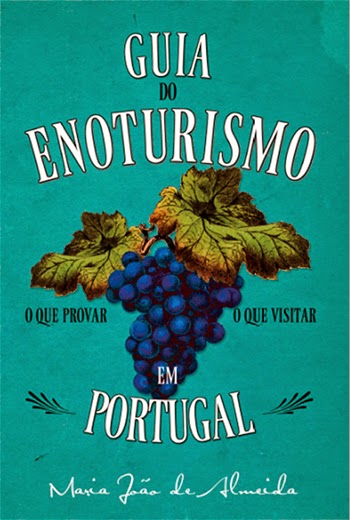
Guide to Wine Tourism in Portugal

With the deserved growing popularity of Portuguese wine, wine tourism in the country is growing as well. More and more people want to explore the many different faces of Portuguese wines, and naturally the producers are getting more professional when it comes to welcoming wine tourists.
A new guidebook testifies this. “Guide to Wine Tourism in Portugal” is written by the Portuguese journalist and wine writer Maria João de Almeida and is a tour around the different wine regions with presentations of a lot of different adegas and quintas. What the places have in commons is off course, that they produce wine, but more than that. They are those, who “know how to welcome guests, those with open arms and smiles on their faces, those who tell their history and make you taste their wines with the same passion and enthusiasm they produced them with”, as Maria is writing in the introduction.
In 12 chapters the book focuses on regions like Douro, Alentejo, Bairrada, Dão. Madeira and Algarve. Besides that Porto has its own chapter due to the Port lodges in Vila Nova de Gaia. All chapters have a short introduction with a little map, telling about the region, the grapes and the wines. After that follows openings with information about each chosen producer and finally some information about hotels and restaurants. All openings have information about the producer and the winemaker, the possibilities when it comes to wine tourism and suggestions for wine tasting. 
As an example we hear about the Bucasso Palace Hotel and the Baga grape variety in the chapter about Bairrada. After that we are introduced to Adega Luís Pato, where it is possible to visit his personal wine cellar and have a regional lunch with roast suckling pig.
The adegas and quintas are both well known and less known. In the Douro, which is the region where I have the best first hand knowledge, the book visits quintas like Crasto, Panascal, Seixo and Ervarmoira and places like Quinta do Pôpa and Quinta do Pessegueiro. In Porto it mentions the following lodges: Cálem, Ramos Pinto, Ferreira, Real Companhia Velha, Sandeman, Graham´s, Taylor´s and Porto Cruz. They are different when it comes to size and quality, but they all have something to offer visitors – and that is exactly the point.  
When it comes to restaurants in Porto the author has chosen to focus on the Gaia side as well, which in my opinion is a pity. Of course places like Taylor´s Barão de Fladgate and Graham´s Vinum are naturally choices, but I miss some very good places on the other side of the Douro like O Gaveto in Matosinhos – just to mention one.


The layout is beautiful and rustic with tinted pages and stains of wine. It sends the signal that it is a book for use, but now and then it unfortunately makes it more different to read. Another minus is a small mistake on one of the maps. You will find Quinta do Portal in the Douro somewhere between Sambrosa and Pinhão and not North West of Peso da Régua as shown on the map. A minor detail perhaps, but not unimportant in a guidebook.
All in all it is great and tempting book. If you are reading it back home – perhaps with a glass of wine or Port in your hand – it gives you inspiration for your next trip to Portugal. And you can have it with you on the road too.
For someone like me who both enjoy travelling in Portugal’s different landscapes and regions and who are passionate about Portuguese wine and Port, it is a joyride to read the book. Until now it is published in Portuguese and English, but it deserves to be translated into other languages as well.

Maria João de Almeida: Guide to Wine Tourism in Portugal. Zestbooks 2014, 357 pages.


onsdag den 17. december 2014

Cristiano van Zeller at Børsen

Cristiano van Zeller is a big guy himself – and so are his wines. He is one of the famous Douro Boys – the five producers from Douro (Quinta do Crasto, Niepoort, Quinta do Vallado, Quinta Vale Meão and Zellers own Quinta Vale de Maria) – who joined forces to inspire each other and brand their still wines from the Douro. They all produce Port as well, but for the Douro Boys the fortified wines are second to still wines from Douro DOC or the broader Duriense VR.


Some weeks ago Cristiano van Zeller visited Denmark for at tasting of his wines at the Port festival at Børsen in Copenhagen. The tasting for press and members of Port Clubs included 24 different wines – 15 of them still wines, the rest Port. But first Cristiano told us about himself and his view of the changes in the Douro.
The Van Zeller family arrived to Portugal in the 18th century and started as port shippers in 1780. The family was connected to the famous Quinta do Noval, but both Noval and the company; Van Zeller & Co. was sold in 1993. Later the brothers Fernando and Álvaro van Zeller founded Barão de Vilar and their cousin Cristiano started to work with the Roquettes from Quinta do Crasto and other of the member of the Douro Boys. In 1996 he took over Quinta Vale de Maria, which has been in the hands of his wife’s family, and after a renovation the production of both still wine and Port started. In 2006 the family bought back the old trading company as well.
The Quinta still uses lagares for the best grapes, and Cristiano told; that they soon will build some new ones instead of steel tanks. It is sort of back to basis, but with the important difference, that the modern granite lagares has temperature control as well. Another new-old trend is planting different grape varieties in the same field. These mixed fields with many varieties dominated the Douro before, but later most producers planted the five big varieties (Touriga Nacional, Touriga Franca, Tinta Roriz, Tinta Cão and Tinta Barroca) in different fields. Recently producers are going back to mixed fields, and not only with the big five, but with different varieties as well. The result is better, is the saying, and it seems like the different varieties are communicating concerning time of maturity etc. Off course the terroir of the different fields is important, and that is why Cristiano van Zeller has started a production of wines from single vineyards.


The tasting at Børsen included both white wine, red wine and Port. Here are some notes.
Rufo Branco 2013: A very fresh and straight white with fine acidity
VZ Branco 2003: Made of a blend of Viosinho, Rabigato, Codega and Gouveio, less acidity, heavier and with notes from the cask, but still balanced. A more complex wine in a burgundy style.
Van Zellers CV 2011 and 2012: A wonderful wine with a great structure. Deep and intense with dark berries, cherries and floral notes, some spices and tannins for at long life.
Vinha do Rio 2012: A single vineyard wine from a field close to the river Torto. A nice nose with dark cherries and on the palate raspberry, fruit and soft tannins.
Vinha Francisca 2011: Another single vineyard wine, named after Cristianos daughter. A bit shy in the nose, but elegant with fresh fruit and strong tannins.
Quinta Vale D. Maria 2007, 2009, 2011 and 2012: A nice, fresh and elegant wine with dark fruit and cherries and a nice balance. 2009 was closed, but 2007 was very drinkable and with a great structure and a long finish.
After these wines followed a lecture in different vinification processes. We had three different versions of Touriga Franca, harvested at the same time in 2013, but the first from steel tank, the second from a lagar and the third fortified. They were similar and different at the same time. The first one had green tannins and was a bit sharper in the nose, the second was more open, more concentrated and with softer tannins. The Port version was so to speak a fortified version of the second cask-sample.
Finally we had some different Ports. Reserve Ruby and LBV are both unfiltered and with nice fruit and body. They were followed by Vintage 2003, 2009 and 2011. The oldest one was beginning to soften up, an elegant wine with dark, ripe fruit and soft tannins. The two youngsters were powerful with a lot of fresh fruit and dark berries, immature but with elegance as well.
The last couple of glasses were two colheitas from Van Zeller & Co. made in cooperation with the cousins. 1970 was intense and in fine balance, a nose with dry fruit and figs. 1997 was a bit anonymous compared to the older one, but with notes of nuts and orange.


You can read more about Cristiano van Zeller and Quinta Vale de Maria here

onsdag den 5. november 2014

Wine with an edge

The headline is a translation of the name in Danish of a small importer of wine, VinMedKant. The purpose of the firm is to find wines from mostly small producers that have a personal touch, perhaps a bit different from the majorities in the wine region, they represent. Recently VinMedKant invited me to a tasting of Italian wine with several producers present. Some of the wines surprised me in a positive way, while others were a bit disappointing. Here I will mention some of the first.
The tasting did not only present wine but an independent beer brewery too, Birra Amiata from Tuscany. I tried their fresh ale, ComunAle and then Comtessa, a so called Italian Pale Ale with nice fresh hop and floral flavours. Later I had Bastarda Doppia and Bastardia Nera – both brewed on chestnuts. The last was a very powerful and tasteful Imperial Stout with a roasted character and a bit flavours from the chestnuts. The whole range was impressive and proved that a lot has happened when it comes to microbreweries in Italia.

The first wine producer I met was a very pleasant surprise too. Società Agricola Bulichella is a family owned estate from Suvereto in the northern Maremma in Tuscany – a hilly place with a lot of sun and a salty wind from the coast. Bulichella are producing very nice, certified organic wines with a clear line:
  • Tuscanio Bianco 2013: Based on 100 % Vermentino. A very fresh nose, with some tropical fruit notes like pineapple and a hint of mint. Dry full-bodied, but perhaps a little low on acid.
  • Rubino 2011: Rosso Toscano based on 50 % Sangiovese, 25 % Merlot and 25 % Cabernet Sauvignon. Ruby and a very present nose, dark berries and some minerals and spices from the cask.
  • Tuscanio Rosso 2010: 100 % Sangiovese. Typical nose of cherries and darker berries. Great acidity and some floral notes and vanilla from the cask.
  • Hide Syrah 2010: Ruby red. Full-bodied and deep with lots of fruit, red berries and acidity. Velvet tannins and a nice tail.
  • Coldipietrerosse 2010. Not an easy name to pronounce or spell, but worth to remember! A blend of Bordeaux varieties (Cabernet Sauvignon, Cabernet Franc and some Petit Verdot). Blackberries and cassis, some tobacco and spicy as well. Tannins for a longer life and a nice finish.
Bulichella is succeeding in creating a clear line of inviting fruitiness combined with minerals and a balanced use of oak.


From Camperchi in inland Tuscany, Arezzo east of Sienna, I tried:
  • Sasso Lupaio 2013: A nice, straightforward red blend (50 % Merlot, 30 % Sangiovese and others), with strawberry and other red fruits. A fresh and well balanced entry level.
  • Anno O 2008: A blend from old vineyards with more than 70 % Sangiovese. Still with red fresh berries, but more spicy and with soft tannins. A good and very drinkable glass.
  • Sangiovese 2007: Dark cherries and with discrete notes from the cask, spices and a bit tobacco. Deeper and with a very good structure.
  • Merlot 2007: Dark berries like blackcurrant, balsamic, spices and a bit jammy. A good wine, but I sure prefered the Sangiovese.


The third estate in Tuscay was Poggio Mandorlo in Montecucco DOC area, who presented three wines:
  • Il Guardiano 2010: Made of 85 % Sangiovese and 15 % Merlot from young vineyards. A medium bodied wine with a lot of fresh fruit and some floral notes. An easy going and straight forward wine. 
  • La Querce 2009: The same blend, but more depths and more, but soft tannin. Read berries and some spices from the time in cask.  
  • Poggio Mandorlo 2008: The top win made of a Super Tuscan blend of 70 % Merlot and 30 % Cabernet Franc aged 18 months in new French barriques. A different nose with dark berries and cassis and more roasted flavours from the time in barriques. More powerful tannins, but still fresh and elegant. A great glass that last in the mouth.


Finally I will mention a producer from Valpociella, Vini Dindo situated near Fumane in Valpociella Classico. Therefore it was no surprise that they presented the tree common red wines from that area. The only one missing was the sweet Recioto:
  • Valpolicella 2013: A typically blend from the region, but with a more fruity character. Light, with red berries and cherries. Low on tannins.
  • Ripasso 2012: 70 % Corvina and then Rondinella and a bit Corvione. Deeper ruby with dried cherries and fruit, low on tannins, but with nice acidity. Aged in steel tanks, which gives more a fruity flavour.
  • Amarone 2010: Darker in the nose, cherries and some raspberry. Some notes like vanilla from the barrique as well. A deeper wine with the typically Amarone character, but different a fresher as well.
Vini Dindo is making more fruity wines that normally from Valpociella. At first I found it a little odd, but giving it a second try, it was quit tasty. But I must admit that I personally prefer the more heavy style from other producers.
All four producers mentioned had a clear line in their wines and some of them were different from the typically style of their region. If that is what the importer seeks with his mission, he had made some good choices when selecting producers. Some of the other producers I tried did not have the same approach in my humble opinion.   
You can visit VinMedKant here


onsdag den 24. september 2014

Tasting and talking about wine

”My daughter knows it. She will soon be taking over anyway.”
It is said with a big smile, telling that is not going to happen in the near future. But on the other hand it is a well known fact that many wine estates is owned by the same family in generation after generation. Sons and now also daughters are taking over from their parents.
I am talking with Fred Cline from Cline Cellers about old vineyards, naturally farming, watering minerals into the soil and making wine on single grape varieties. Cline Cellers is based in California – in Los Carneros, Sonoma Coast and Contra Costa County. Fred and his daughter are visiting Denmark together with many other winemakers from all over the world and right now they are in Odense for a big Wine & Spirit Festival arranged by Vinoble.
To begin with we are trying a white Pinot Gris from Sonoma Coast. Nice fruit, but low on acid to balance. A to low serving temperature late in the afternoon probably can explain some of it. We are moving on to the red wines, which pleases us more. First Ancient Vines Mouvedre based on 80 to 120 years old vine stocks, planted by Fred’s maternal grandfather (photo), and then Big Break Vineyards Zinfandel – both from Contra Coast County. The latter is a real California hot climate power wine. Deep and fruity and with a lot of alcohol. Plums and dark berries, some green herbs like mint, notes from the cask (vanilla and oak) and enough acidity to balance. Finally we try his Late Harvested Mouvedre, a sweet and tempting wine, but without the complexity and the balancing acid, that I like in Port. 


Cline Cellers is the final stop on a short tour at the Festival. 24 international producers from the whole word are present together with eight Danish importers – and together they cover the whole world and present all kind of wine and spirits like gin, tequila and rum. Unfortunately I am short of time, and therefore I choose to be very purposive and mainly concentrate on Italian wine.
First I visit GAJA, who is famous for Barbaresco and Barolo, but I decide to taste wines from their two vineyards in Tuscany instead, Ca´ Marcando in Bolgheri and Pieve Santa Restituta in Montalcino. From the first I tried the white Vistamara 2012 and two reds, Promis 2012 and Magari 2012, both classified as Rosso di Toscana.
Vistamare is dry with with fresh fruit, freshness, some minerals and good acidity, made of a blend of Vermentino and Viognier. Promis is a blend of Merlot, Syrah and 10 % Sangiovese. Nice Sangiovese-nose with red cherries, but darker and softer in the mouth due to the blend, nice acidity and a good aftertaste. Magari has more tannin and more complexity and a darker palette with dark berries and some coffee. Finally I try the Brunello di Montalcino 2009 from Pieve Santa Restituta – a blend from different sites and not the single-vineyard version called Rennina. But still a great wine with expressive cherries and dark berries in the nose and some green herbs too, well structured with powerful tannin. 
Next stop is in Tuscany as well. At Carparzo I try their Rosso di Montalcino and again a Brunello – both made on 100 % Sangiovese. The former is straight forward, but both with a nice body and concentrated fruit. The latter is more concentrated and with striking notes from the cask and tannin.
From Tuscany I am moving south to Planeta on Sicily, where I am trying two very different wines. Nerello Mascalese, Eruzione 1614. The first part of the name is the name of a typically grape variety from Sicily, the latter is referring to the eruption at Etna which lasted about 10 years and started in 1614. The wine has a nice nose of red berries and spices, surprisingly fresh and with acidity due to the facts that it is made of grapes picked in nearly 1000 meters altitude. The next wine is based on 100 % Syrah. Syrah Menfi is more typical Sicilian with a lot of powerful fruit, darker berries, spices and pepper, notes from the cask and soft tannins.
After these Italian visits I choose to improvise the rest of the time. A couple of Italians more, Ripasso Amarone from Cantine Lenotti is followed by Cremant de Bourgogne from Louis Bouillot with a great, fresh Millesime from 2009. More talking about wine and more tasting and the finally the visit at Cline Cellars – a great final.


mandag den 7. juli 2014

Confraria do Vinho do Porto

Every year around Midsummer, when Porto is celebrating São João, the Enthronement Ceremony of The Confraria do Vinho do Porto and the Rabelo Boat Regatta takes place. Last year I witnessed it for the first time and this year we came back for the Ceremony and the Dinner again. Unfortunately we had to go back home before the Regatta, so we did not see the boat from Dalva win this years race.
Most wine regions have their Brotherhoods with different traditions. The Confraria do Vinho do Porto was founded as late as 1982, but is rich of tradition. The members, the Confrades, are both Brothers from the Port companies and Honorary Brothers - the latter divided into three ranks: Cancelários (Heads of States etc.), Infançãos (Noblemans) and Cavaleiros (people dedicated to Port). Last year the late chairman of The Vintage Port Club was introduced as Cavaleiro, which was the reason for our participation last year. We found it an honour to be there came back this year.


The Ceremony takes place in the famous and beautiful Palácio da Bolsa. At first the five members of the Chancelaria (the Chancery) proceed into the Pátio das Nacões followed by the new Confrades. After the Ceremony where the new member are introduced and given an insignia and a diploma, everyone – Confrades and guests – are raising a glass of Port with the toast: “For Port Wine, for the Confraria, for the Confrades”.


After the Ceremony everyone is marching after the horse guard and the orchestra to the nearby Edífício da Alfàndega do Porto for the reception and Dinner. This is a nice ball and a great place to have a talk with old and new friend in the Port Business. The menu this year was poached hake with cream and clams, oxtail and pork cheek duo with puréed cauliflower and asparagus ragout, Farófias (a traditional Portuguese dessert) and regional cheeses with strawberry and pumpkin jelly. And of course it was served with wine and Port: Vinho Branco Dalva Reserve 2012, Vinho Branco Tiara 2012 from Niepoort, Quinta do Grifo Reserva Tinto 2010 from Rozès, Vinho Tinto Touriga Nacional 2009 from Quinta do Noval, 20 Years Tawny Port from Confraria do Vinho do Porto and then different Vintage Port from 1994. Among others I tried Fonseca, Taylor’s, Dalva and Ramos Pinto.


As a Port lover and journalist writing about Port and Portugal it is a great experience to be among so many people dedicated to Port – and of course a lovely evening with friends.  I sure hope to be back again.

You can read more about the Confraria do Vinho do Porto here.